

After completing my technological baccalaureate, I chose a field I was not necessarily destined for: the BUT GEA, formerly known as DUT, in Business and Administration Management. It is a three-year degree.
The subjects taught are very broad. During the first year, students study all the main areas of a company in order to understand which direction they want to take: accounting, human resources, management, stock management, law, and more. Then, in the second year, students choose a specialization. In my school, three options were available: management, finance, and human resources. Without any doubt, I chose management, especially after completing my internship that same year. Read the article about my first professional experience to learn more :).
These two years in the management program were full of experiences and project opportunities that sparked several passions in me. Let me introduce you to the different projects we carried out in only two years.
Building a well in Togo
In the second year, to validate one of our skills units, we had to carry out a humanitarian project, regardless of the field, as long as it personally mattered to us.
We therefore turned to an association called HumanNice. It was an association we already knew, which supported homeless people by organizing street outreach activities. It also provided help to people in need by distributing toys, clothes, and food to people of all ages.
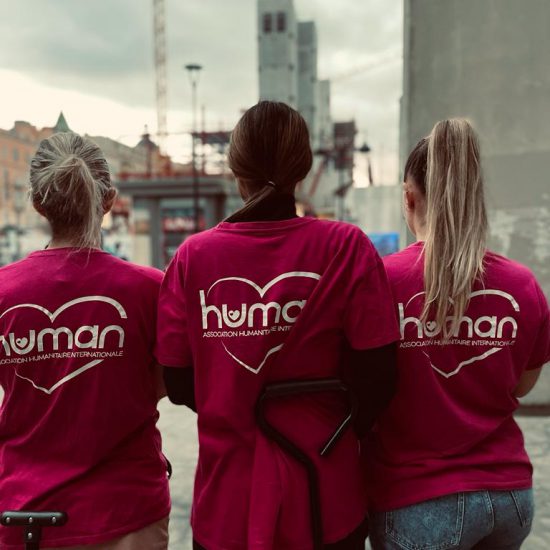
The project lasted one year, which gave us time to think it through. At the beginning, the project was not yet clearly defined: we simply knew that we wanted to do something with HumanNice, an association that truly mattered to us.
We therefore started contacting them, and the connection was quickly very positive. The person in charge of the association replied soon after, saying that she was happy to see young people like us showing interest in her association, and that she was willing to support us in our ideas. But before that, we had to go through a first step: regularly taking part in the street outreach activities organized on Thursday evenings near Nice train station.
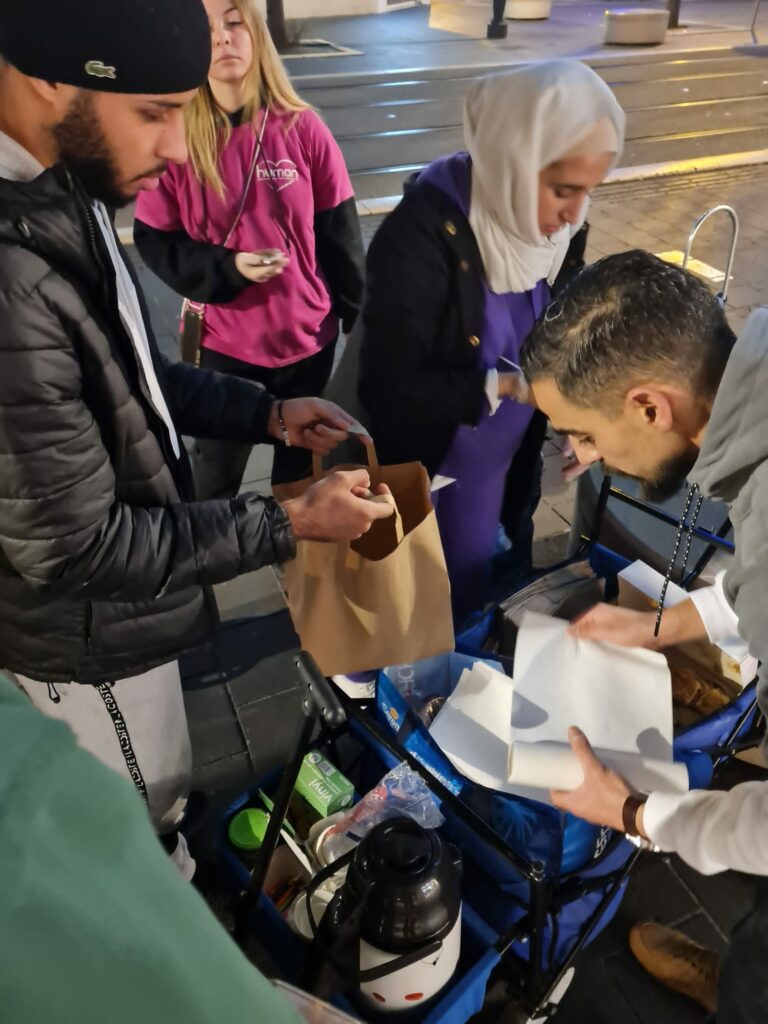
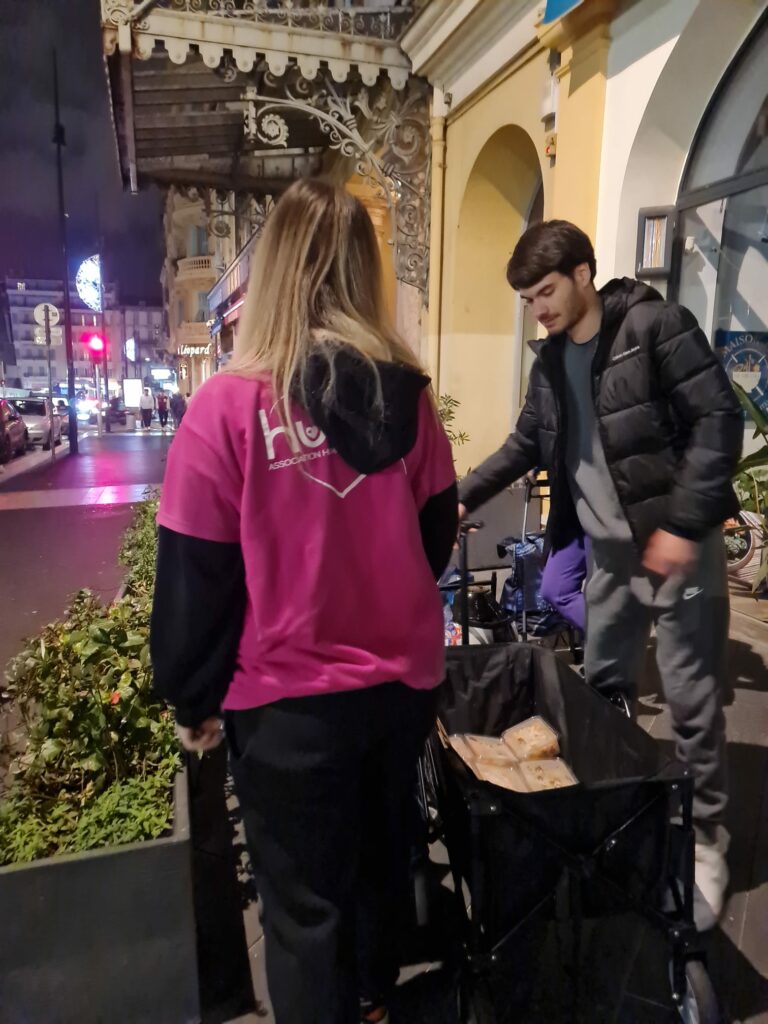
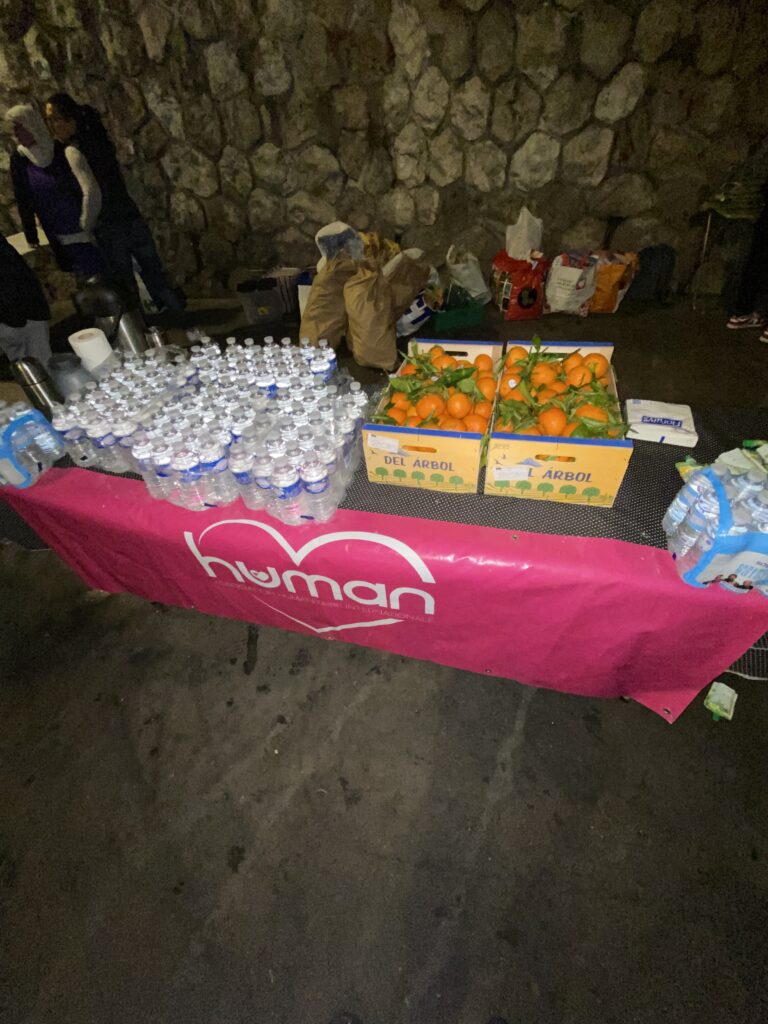
Little by little, we became fully involved in the project. After a few months, we found our idea. HumanNice often opened fundraising campaigns to finance specific forms of support or particular projects.
We therefore decided to connect two associations: one that was looking for funding for a project, and another one, HumanNice, which had strong visibility in Nice and was able to highlight this type of initiative. This is how we partnered with Un Puits Pour La Vie to contribute to the funding of a well construction project in Togo.
A whole fundraising process followed: creating posters, making phone calls, sending newsletter campaigns to large-scale company email databases, and more.
In the end, we managed to raise around one hundred euros out of a target of 2,000 euros. This amount did not represent the full cost of the well, but rather a target that we considered achievable for us. Unfortunately, we did not reach this objective, but as four 19-year-old students, this project was difficult, intense, and extremely educational. We learned a lot. The money raised still contributed to the construction of the well a few months later.
Thank you to Hayet, the manager of HumanNice, for trusting us.
The Amazon Go Case
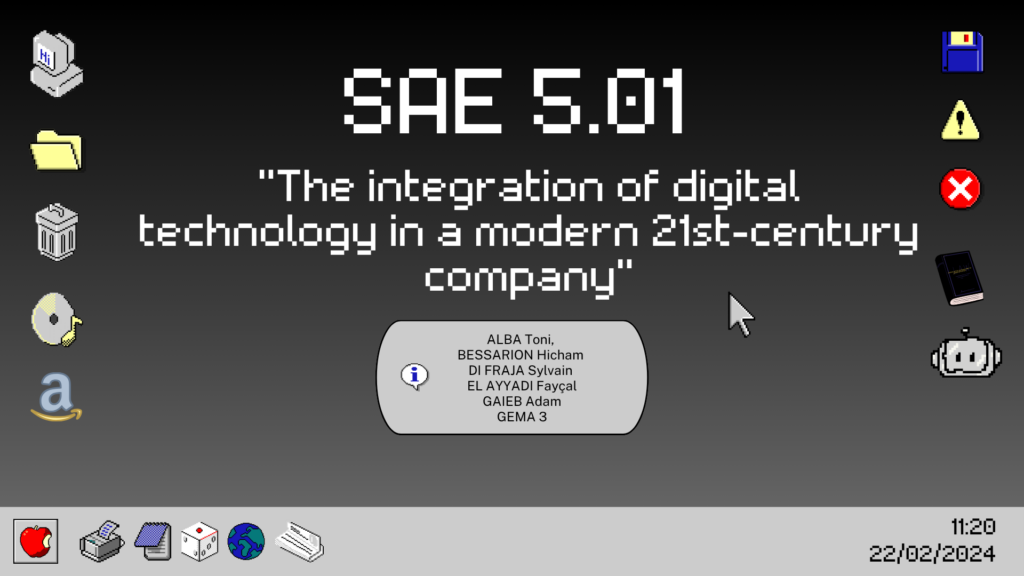
Amazon Go is a chain of cashierless convenience stores developed by Amazon. The concept is based on a “Just Walk Out” experience: customers enter the store, take the products they want, and leave without going through a traditional checkout. The technologies used include cameras, sensors, computer vision, and data processing systems.
However, this model also raised several issues, especially around privacy, data collection, and the lack of transparency regarding how customer information was being used.
We decided to study one of the legal cases linked to Amazon Go in greater depth. As part of our research, we had the opportunity to interview two key people.
The first was Patrick Varenne, Doctor in Management Sciences and co-author of La transformation digitale du modèle d’affaires. He gave us a one-hour interview and answered several of our questions, which helped us support and strengthen our analysis.
The second was Adam Pollock, the lawyer of Alfredo Rodriguez Perez, from the New York-based law firm Pollock Cohen LLP. He gave us a 30-minute interview, which was extremely instructive and impressive for us as students. Having the opportunity to speak with someone of his professional level was a very valuable experience.
Mr. Pollock answered our five questions and allowed us to bring a strong legal perspective to our work. Thanks to this project, we obtained the best grade in our class of 80 students: 18/20. More importantly, it helped us realize what we were capable of achieving when we took a project seriously and pushed it as far as possible.
A Wonderful Project with Seniors
To finish the year, we worked on what was probably the best project we had the opportunity to carry out.
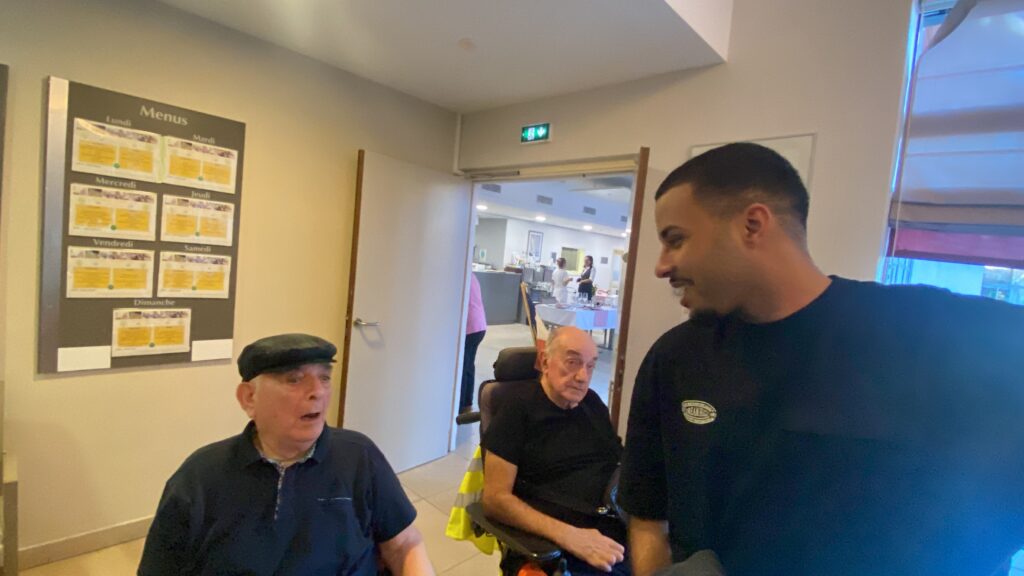
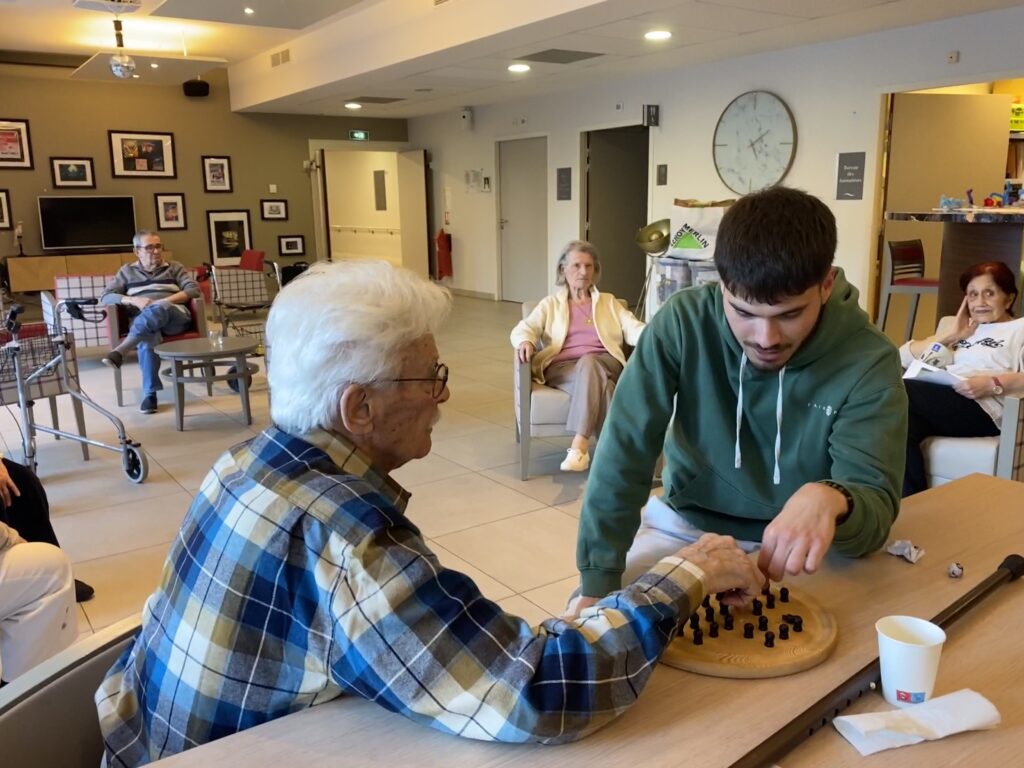
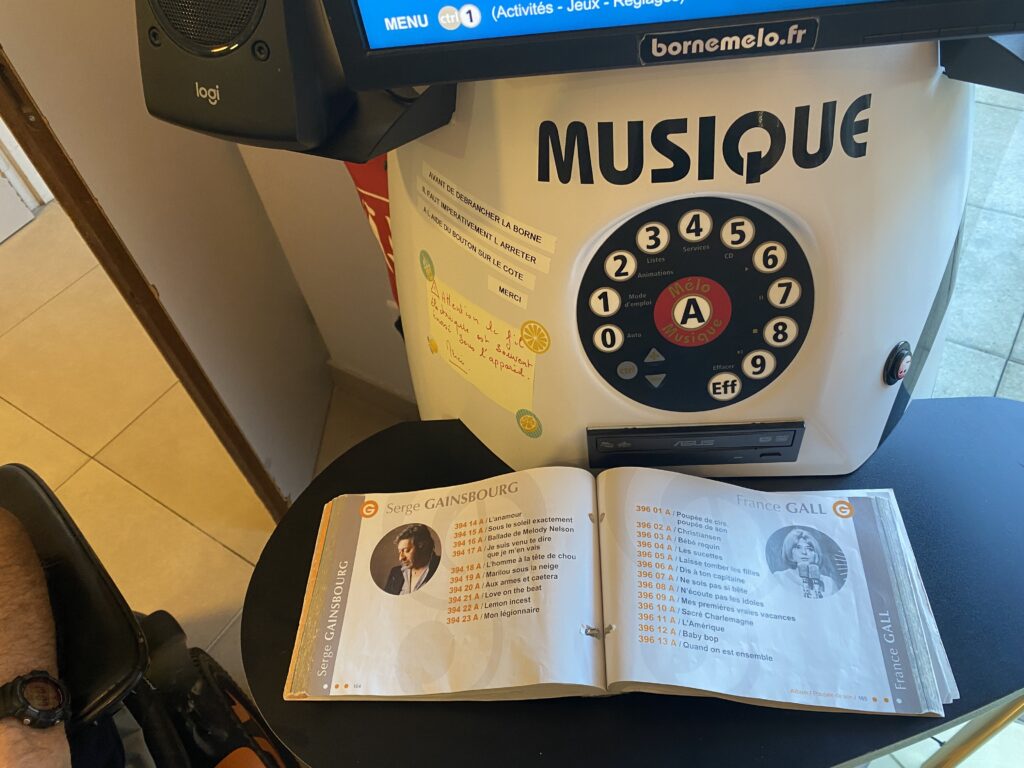
The objective was to find a topic related to technology. Around the same period, the movie Maison de retraite 2, starring Kev Adams, had just been released in cinemas. This gave us an idea.We wanted to highlight a generational contrast by visiting elderly people in a retirement home and discussing technology with them: the technologies we use today, but also the objects, habits, and tools that were part of their own generation.
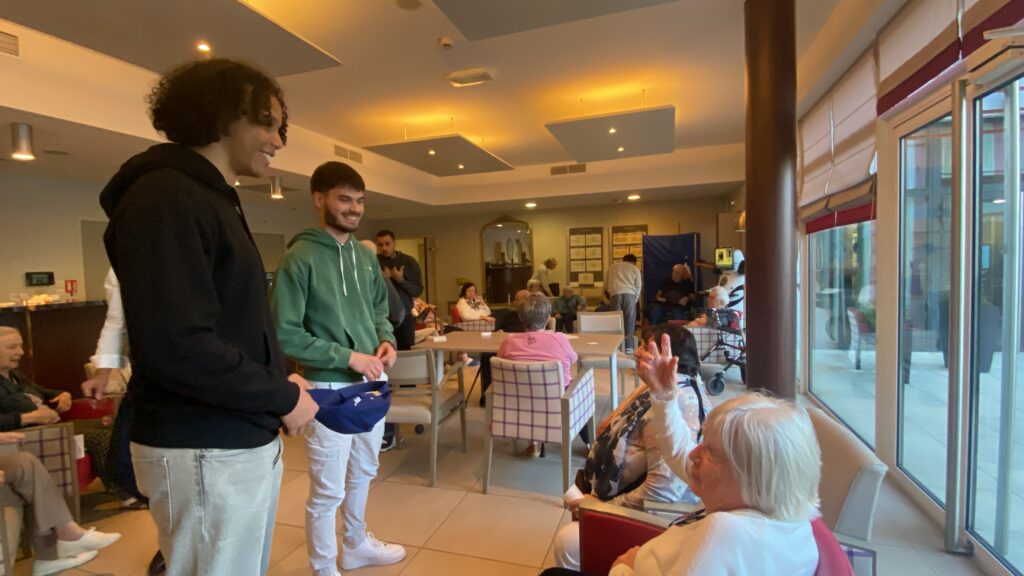
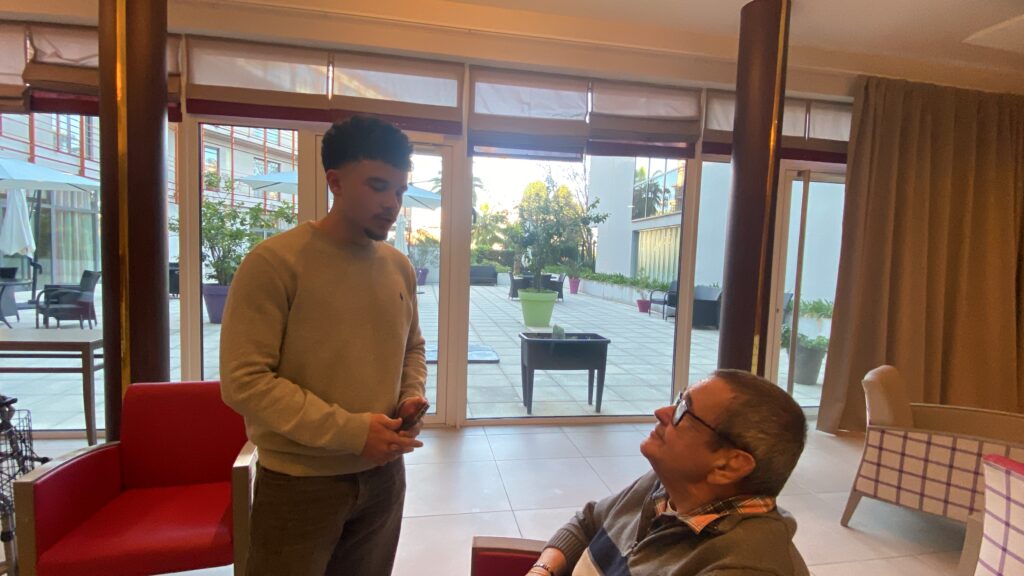
Of course, it was not simple to organize. We had to prepare activities, choose discussion topics, and find a retirement home that would accept the project and support us.
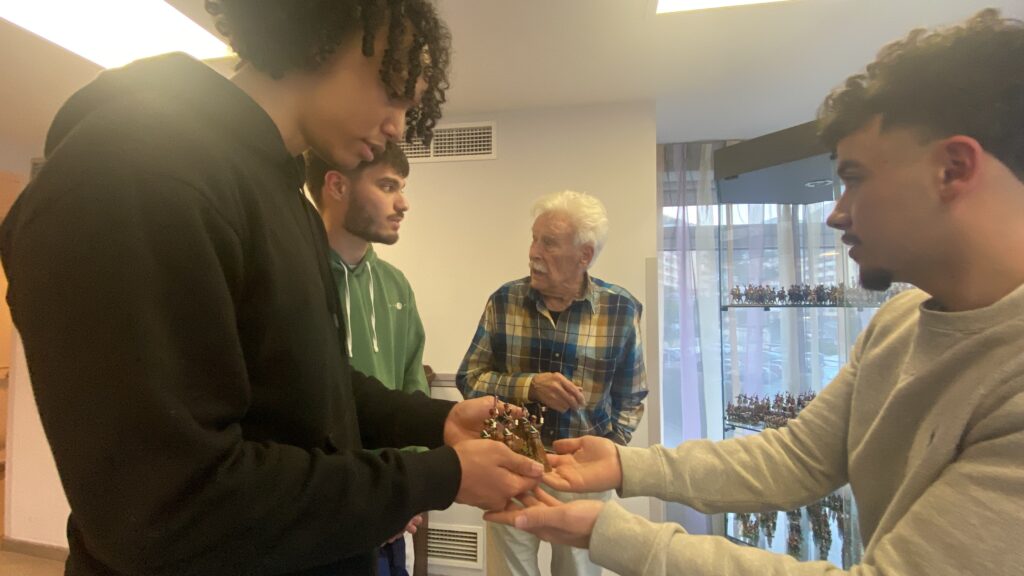
We were eventually able to spend two hours at the Résidence des Citronniers with around twenty elderly residents. We organized different activities, such as question-and-answer games, guessing games about technologies from our generation, discussions about objects from their time, and activities based on older board games.
We also formed a strong connection with Jean, one of the residents, who shared his story and passions with us, including his collection of figurines.
After this wonderful moment spent with the seniors, we were so happy with the experience that we decided to contact the screenwriter of Maison de retraite 2, Élodie Hesme, to show her our project and explain that her film had partly inspired us. She replied and even sent us a video message, which we played during our presentation in an amphitheater in front of more than 80 people.
It was a complete success.Thanks to this project, we received the award for best project and best presentation, as well as the highest grade in our class.
Conclusion
Of course, these projects represent only a small part of everything we had the opportunity to do during these three years. I chose to highlight the ones that were especially meaningful to me, because they had a real impact on my personal and professional development.
Throughout the program, we also took part in business games, often in competition with other classes or groups of students. These experiences allowed us to apply what we had learned in a more realistic and challenging environment.
During these three years, we gave many oral presentations, defended numerous projects, and created a wide range of presentation materials in different fields such as human resources, accounting, management, and business strategy. In the last two years, I specialized more specifically in management and marketing, which helped me better understand how to structure a project, analyze a market, communicate ideas clearly, and work effectively as part of a team.
Overall, my BUT GEA experience helped me develop a wide range of skills in management, marketing, finance, administration, project management, adaptability, responsibility, and communication. More importantly, it taught me how to take an idea, turn it into a concrete project, and present it both orally and in writing with clarity and confidence.